
The holiday season is filled with celebrations, comfort foods, late nights, and moments of indulgence. While enjoyable, these habits can leave many people feeling bloated, sluggish, or off balance heading into the new year. If you are hoping to reset your health after the holidays, understanding how your gut responds to seasonal stressors can make a significant difference. Incorporating simple holiday gut health tips along with advanced functional testing can help you identify deeper concerns, improve digestion, balance hormones, and start 2026 feeling revitalized and in control of your wellness.
Supporting your gut is one of the most effective ways to improve overall well-being, especially after weeks of heavier meals, sugar intake, and irregular routines. Below are three key focus areas to help you move from holiday bloat to smoother digestion and better long-term health.
Holiday Gut Health Tips to Reduce Bloat and Improve Digestion
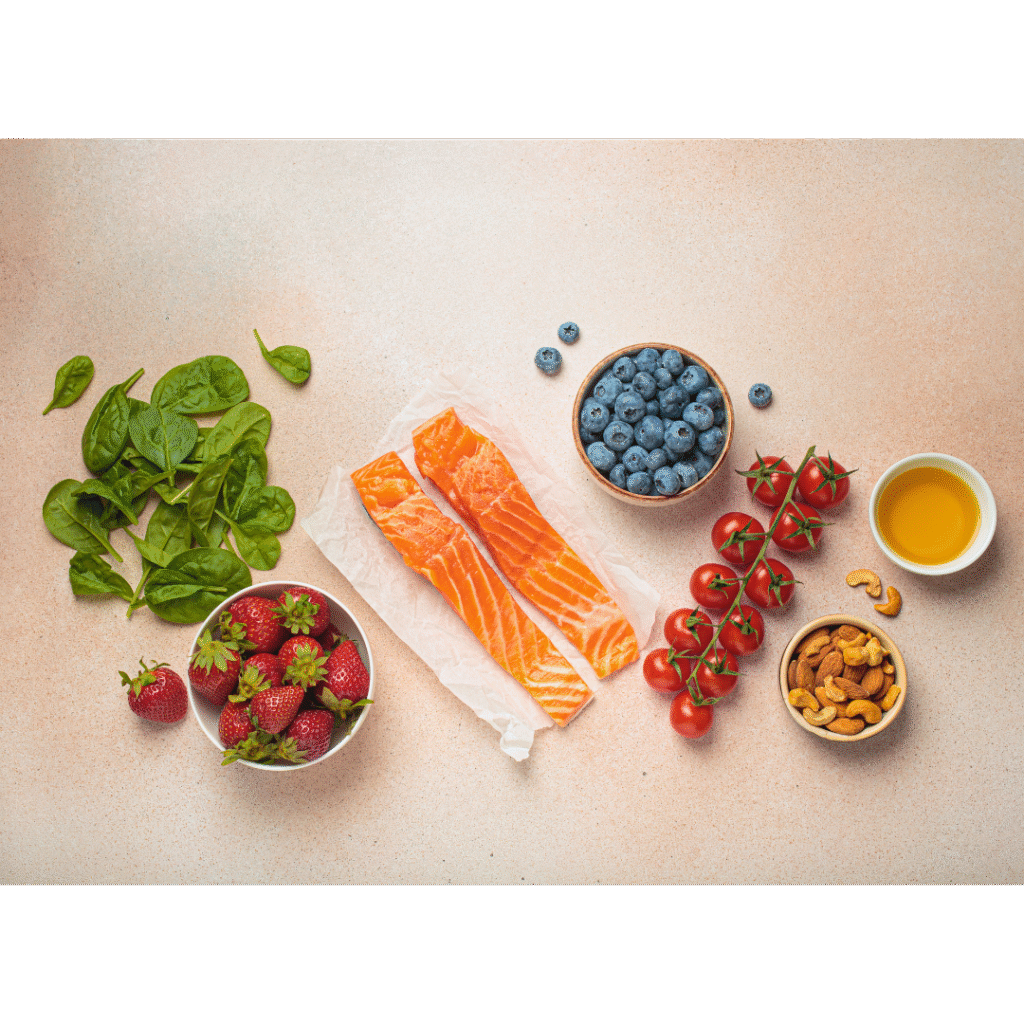
Many people experience digestive discomfort around the holidays due to overeating, alcohol consumption, rich foods, and disrupted sleep patterns. Fortunately, small, consistent habits can help your gut rebound more quickly. Start by increasing your intake of fiber-rich vegetables, fruits, and whole foods. These help support regular digestion and nourish healthy gut bacteria. Adding probiotics into your routine can also help restore balance after weeks of indulgence. Yogurt, kefir, fermented vegetables, and probiotic supplements can ease bloating and support smoother digestion.
Hydration plays a major role in restoring gut comfort. Drinking water consistently throughout the day helps flush out excess sodium, reduce bloating, and support the movement of food through the digestive tract. Warm herbal teas such as ginger, peppermint, or chamomile can calm inflammation and soothe the stomach, making them excellent post-holiday choices.
Movement also supports digestive health. Gentle walks, stretching, and mindful breathing exercises stimulate the digestive system and help relieve pressure and discomfort. Even ten minutes of movement after meals can improve digestion significantly.
Finally, prioritizing consistent sleep supports gut function and reduces the stress hormones that can negatively impact digestion. Combining these holiday gut health tips can help you feel lighter and more balanced as you head into the new year.
Understanding the GI-MAP Test for Gut Health and What It Reveals
While everyday habits help support digestion, many people continue experiencing chronic bloating, fatigue, irregular bowel movements, or skin issues even after the holidays. In these cases, deeper insight into the gut microbiome may be needed. The GI-MAP test for gut health is one of the most advanced tools for analyzing the digestive system. It evaluates bacteria, parasites, viruses, yeast imbalances, digestive enzymes, immune markers, and inflammation levels. This comprehensive assessment helps uncover underlying issues that traditional testing often overlooks.
One of the most valuable benefits of the GI-MAP test for gut health is its ability to connect symptoms with specific microbial patterns. For example, imbalances in certain bacteria may contribute to bloating, food sensitivities, weight fluctuations, or difficulty digesting fats. Identifying these patterns allows practitioners to create targeted treatment plans involving nutrition, supplements, lifestyle adjustments, or antimicrobial protocols when needed.
The GI-MAP also provides insight into how stress and holiday habits may have impacted your gut. Poor sleep, increased sugar intake, and alcohol can all alter gut bacteria, making recovery more difficult. Using the GI-MAP as part of your new year health reset can help you understand exactly what your body needs to heal, making 2026 a year of improved digestive strength and overall wellness.
MRT Food Sensitivity Testing and DUTCH Test for Hormones 2026: A Full-Body Reset
Gut health does not exist in isolation. Food sensitivities, inflammation, and hormone imbalances can influence digestion, metabolism, mood, and energy levels. MRT food sensitivity testing is a powerful tool that helps identify foods contributing to inflammation in your body. Unlike allergy tests, MRT evaluates how your immune system reacts to a wide range of foods and additives. This information helps guide dietary choices that reduce bloat, support the gut lining, and encourage long-term digestive improvement.

Hormones also play a significant role in gut function and overall wellness. The DUTCH test for hormones 2026 offers a detailed view of cortisol patterns, sex hormones, stress response, and how your body metabolizes them. When hormones are imbalanced, digestion slows, cravings increase, sleep is disrupted, and inflammation worsens. Addressing these imbalances can dramatically improve gut health and energy levels in the new year.
By combining holiday gut health tips with advanced testing like GI-MAP, MRT, and the DUTCH test for hormones 2026, individuals can gain a deeper understanding of their health and create personalized wellness strategies that support lasting change.
As you look toward 2026 and begin planning your wellness goals, taking proactive steps to understand your gut, reduce inflammation, and balance hormones can set the foundation for better health year-round. If you’re ready to explore targeted testing, individualized nutrition plans, or a guided wellness program, the team at Xbody Health & Wellness is here to support you. To schedule an appointment or speak with a specialist about your goals, visit our contact page and begin your journey to a healthier, more energized new year.